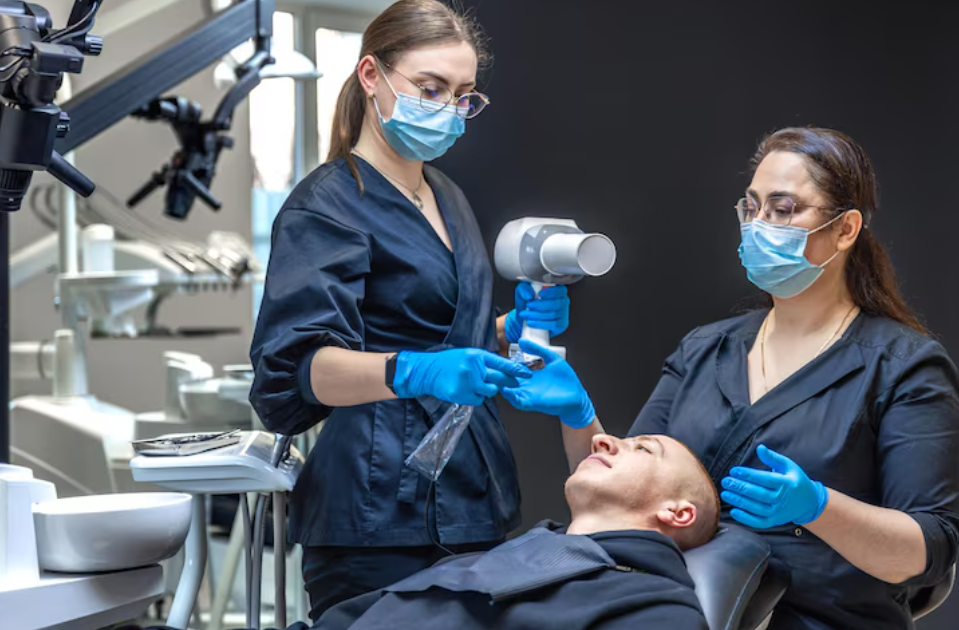
Dental implants are often considered a reliable solution for replacing missing teeth. Not all patients have adequate amounts of healthy bone tissue for placing implants. The reason for the lack of bone mass is usually the absence of teeth, gum disease, or a lack of replacement teeth for extended periods. In such a situation, it may be necessary to carry out a bone graft for dental implant.
Latest innovations in dentistry have made the procedure much faster and more effective than before.
Why Is Bone Support Important for Dental Implants?
Dental implants require a jawbone to hold them securely. Therefore, if there isn’t enough bone volume and density, placing implants could become difficult.
Several factors can contribute to bone loss over time:
- The absence of teeth for prolonged periods of time without replacement
- Periodontal disease affects the bone supporting the teeth
- Injury to the face resulting in damage to the jawbone
- Medical conditions that may influence bone health
Bone structure is essential for implant placement, since integration with bone is one of its main qualities.
How Has Bone Grafting Evolved Over Time?
There has been significant development of techniques in bone graft surgery over the years. Traditional methods mainly aimed at rebuilding bones, while modern techniques pay more attention to accuracy, preservation, and fast healing.
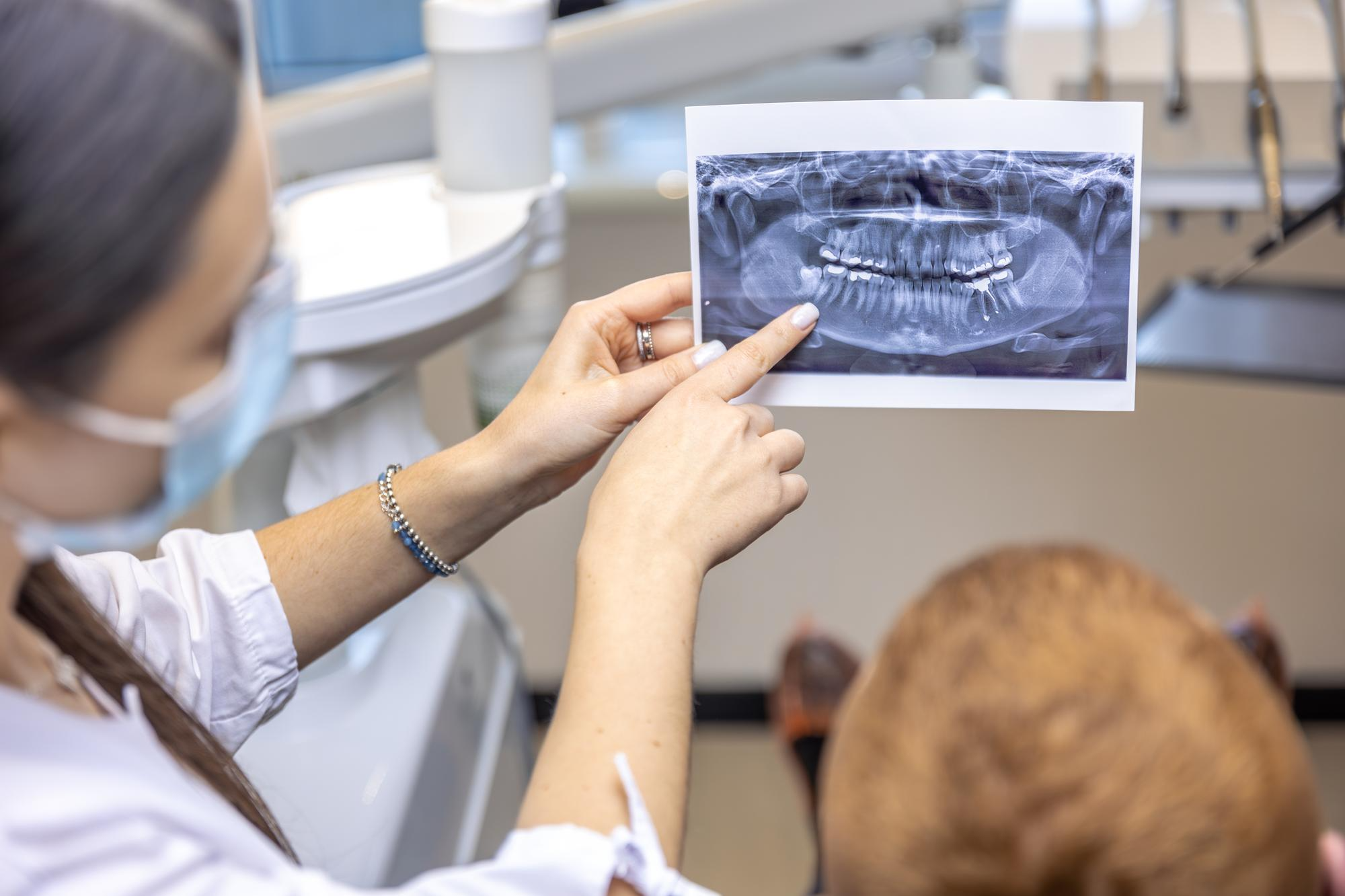
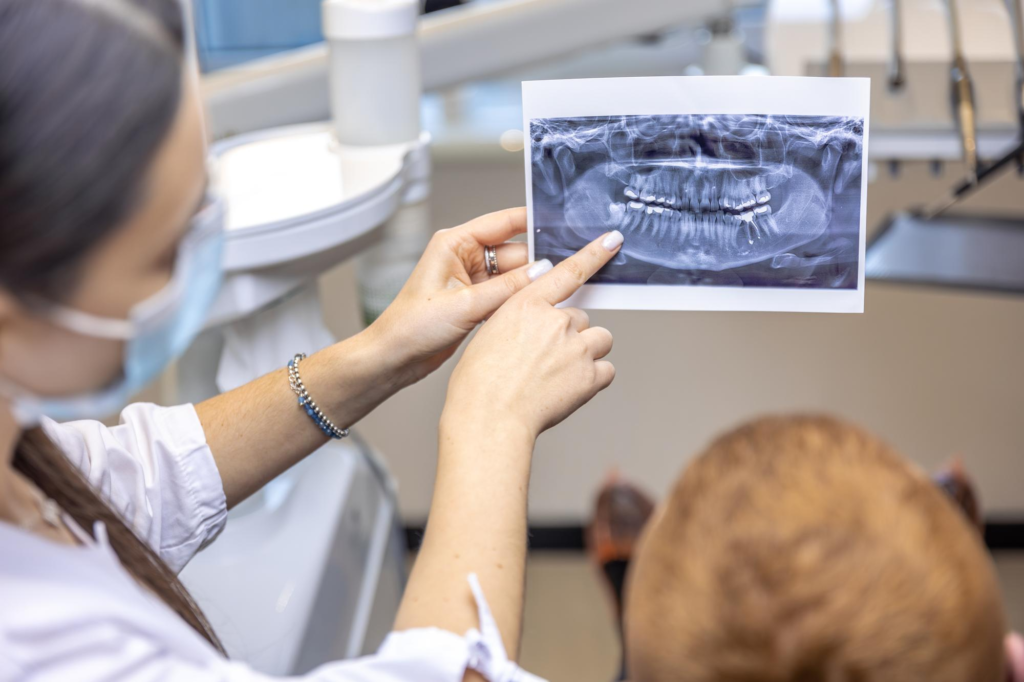
Today’s diagnostic imaging makes it easier for dentists to study the quality of the bone before starting the treatment process.
Another development that has increased the range of options for this process is the availability of new grafting materials. Different materials are used depending on the specific case, all aimed at assisting in bone regeneration and repair. This technology has enabled greater accuracy in planning for implant procedures.
People who require a dental implant and bone graft can greatly benefit from such technology.
Common Situations Where Bone Grafting May Be Recommended
Not all implants do not necessarily require bone grafts. There are instances that necessitate more bone support prior to the procedure.
Common examples include:
- Loss of teeth for a long time causes resorption of the jawbones
- The density of your bone is not enough for the implantation process
- Having several teeth removed at once
- A need for more support prior to beginning restoration procedures.
The primary reason for bone grafts is to strengthen the bones enough to place implants at a later stage.
Innovations That Are Improving Treatment Outcomes
Dental advancements have contributed significantly to developing bone grafting techniques. They assist the dental practitioner in assessing the status of bones and planning a custom treatment for each patient accordingly.
Three-dimensional imaging allows the dentist to visualize the internal structure of bones before treatment. The digital planning tools also help to spot problem areas and enhance the process’s accuracy.
New methods for bone & tissue grafting can facilitate bone formation in areas that require additional support. The improvement of bone graft materials and methods helps to increase the predictability of implant preparations.
The use of these evolving technologies results in improved treatment planning and increased success rates.
Supporting Long-Term Implant Success
Bone grafts will continue to play a key role in implant dentistry and will allow patients to have a stable foundation for additional restoration treatments.
At Bright Dental, we are consistently evolving our imaging, planning, and regenerative procedures to enhance our ability to prepare the surgical site of an implant. To discuss dental bone implant surgery, patients should meet with a dental professional for an individualized evaluation of their unique needs.
Also Read: Why Choose a Local Dental Bone Graft Specialist for Your Implants